Teaching digital literacy to children

Understanding digital footprints is crucial for primary-aged learners. As they engage more with digital technologies, it's vital for them to grasp the long-term consequences of their online actions. This page offers practical advice and resources to help parents and educators support safe, responsible, and ethical ICT use.

Common concerns and how Digital Footprint can help

Many parents and educators worry about children sharing information or content online without understanding the long-term consequences. Primary-aged students might see posting photos, comments, usernames, videos, or personal details as harmless fun, but they often don't realise that online actions can be permanent, copied, or viewed by unintended audiences. Digital Footprint provides the tools and insights to address these concerns.

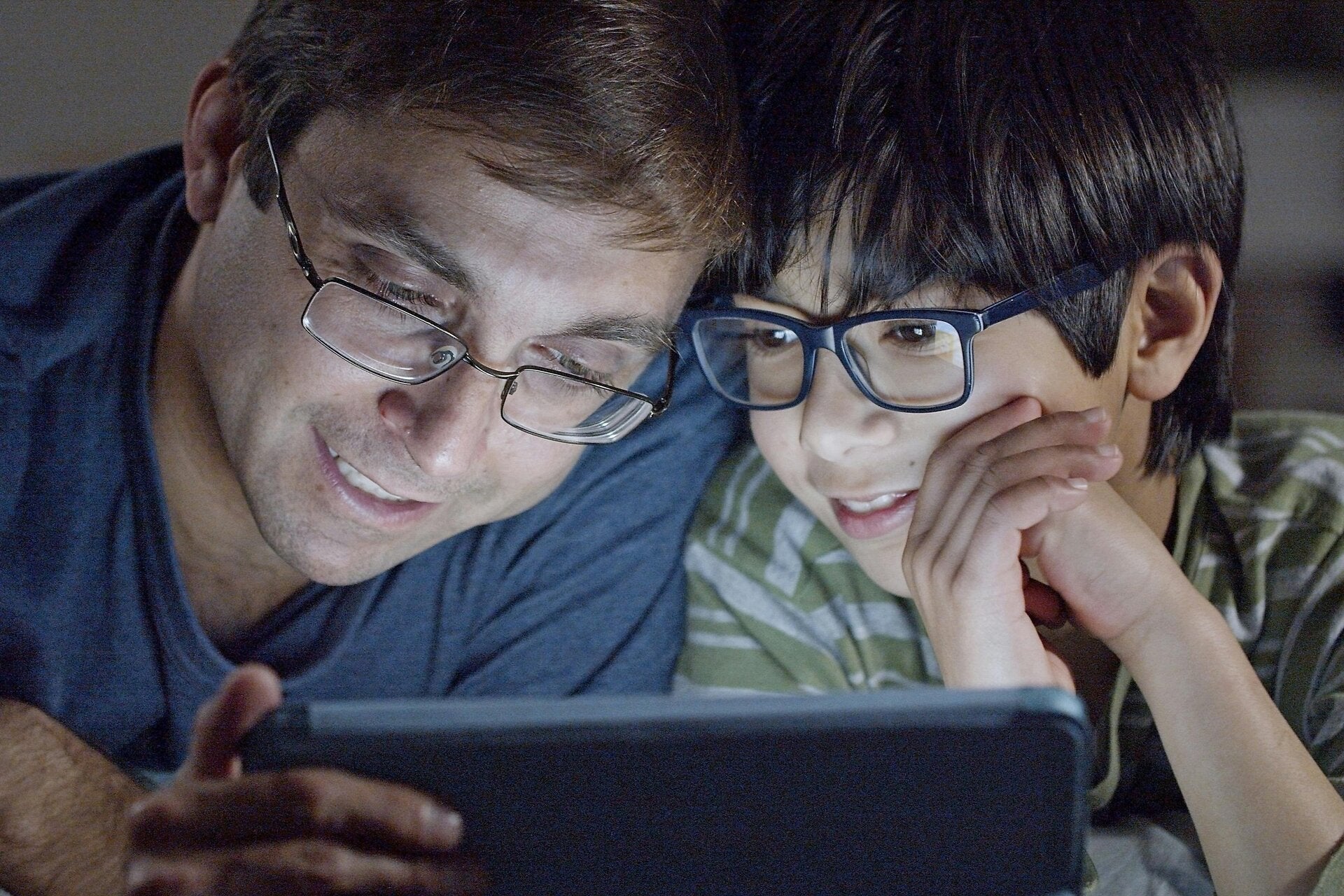
Conversation starters for children

Simple questions adults can ask to encourage critical thinking before posting:
  • “Who might see this if you post it?”
  • “Would you be happy if a teacher or grandparent saw this?”
  • “Did the other person say it was okay to share?”
These help children think before posting.

Family or classroom rules

A short checklist to guide online behaviour:
  • Ask permission before posting photos of others
  • Never share passwords
  • Keep personal details private
  • Be kind online
  • Ask an adult if unsure

Trusted safety websites

Links to reliable organisations for current advice and resources:

These provide current advice, videos, and parent guides.

Privacy & device setup tips

Quick guides on managing digital environments:
  • Checking privacy settings on apps
  • Turning off location sharing
  • Monitoring age-appropriate app use
  • Using parental controls appropriately

Positive digital footprint ideas

Support should not only focus on risk.

Include ideas like:

  • Sharing creative school projects
  • Posting kind messages
  • Collaborating on educational platforms
  • Creating positive online content

Why a small conversation makes a big difference

Digital safety habits are built through regular, calm conversations—not one big lecture. Asking questions like “Who could see this online?” or “Is this kind and safe?” helps children develop judgement and self-awareness every time they use technology.

Take the first step today

After visiting this page, you are encouraged to start just one simple conversation with a child about thinking before posting online. One short conversation today can shape safer online habits for years. It's not about fear or banning devices, but about empowering children to pause, think, and make smart choices.